
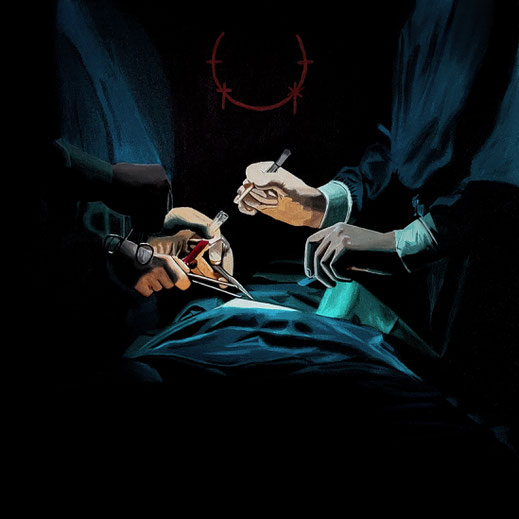
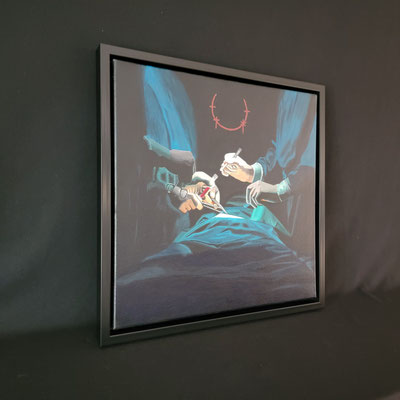
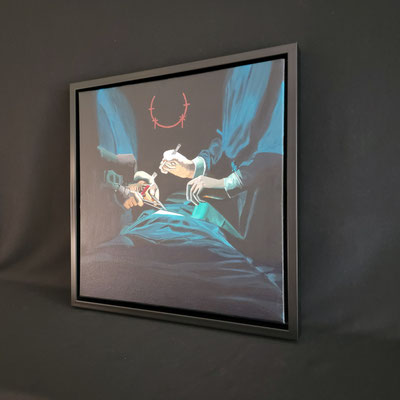
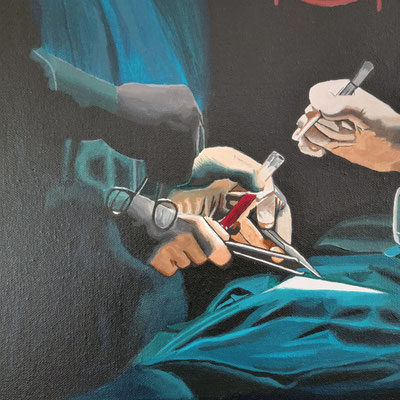


SAKTA - LAHAD [The devil`s voice]
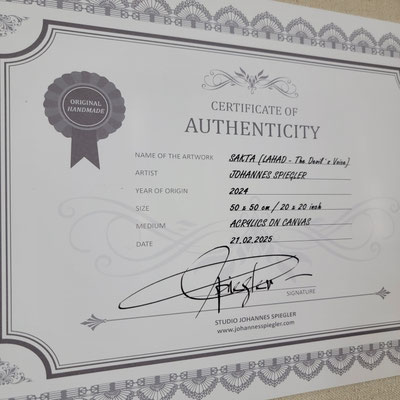
ORIGINAL PAINTING
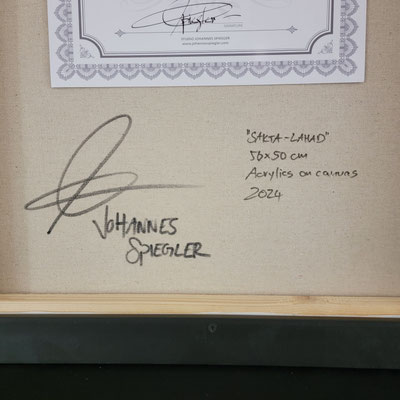
ACRYLICS ON CANVAS
SIZE: 50 x 50cm / 20 x 20 inch
YEAR OF ORIGIN: 2024
//
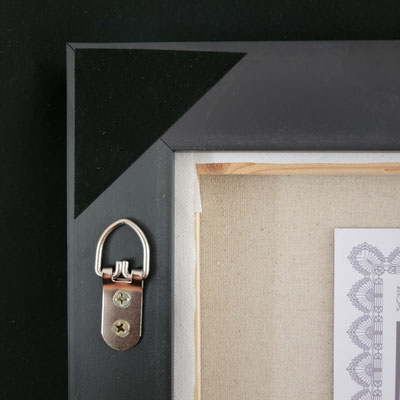
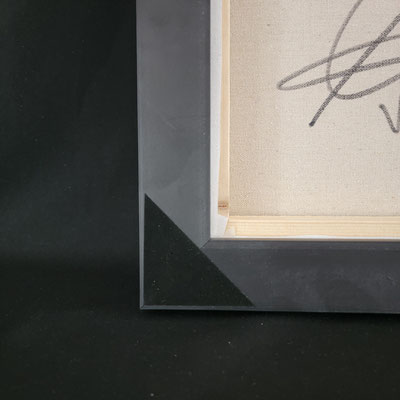
FRAMED
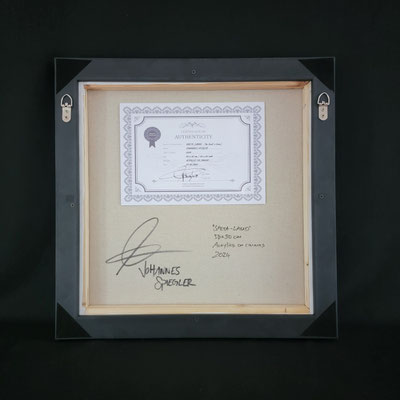
SIGNED
STAMPED
incl. CERTIFICATE OF AUTHENTICITY &
HANGING GEAR
750,00 €
incl. VAT, shipping costs apply
- 4 kg
- Available
- 1 - 2 weeks delivery time
DESCRIPTION
Influenced by the works of Caravaggio, this piece combines the techniques of the old masters and applies them to the present day. This series appeals to the subconscious—the things we suppress. People have fears but also desires. Fear implies illness, phobias, and death, but also fear of the supernatural or things we do not know. The devil, for example. Demons.
They are a symbol of all the dark things that we avoid in everyday life. We push them aside. We focus on what needs to be done. At the same time, we have a concrete idea of religion, faith, or God. Yet we humans would have less fear if we faced it. And that´s the approach of these paintings. That`s simply what they tell us: The doctor and surgeon look like this.
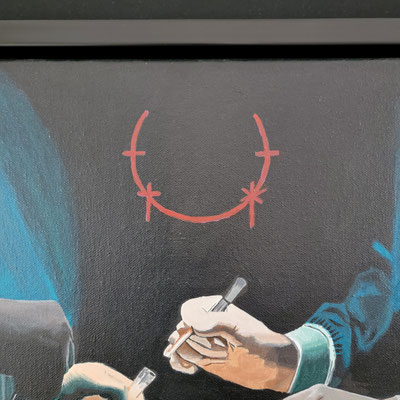
"Sakta" is a Swedish word and means "slowly", "calmly", but also "cautious". The red symbol in the upper middle of the painting represents "Lahad", which translates to "The Devil's Voice".
---
Anatomy lessons in the 17th century were a public event, attracting both medical professionals and the general public.
Notable examples include Rembrandt's "The Anatomical Lecture of Dr. Nicolaes Tulp," commissioned by the Amsterdam Surgeons' Guild.
Thomas Eakins' "Portrait of Dr. Samuel D. Gross (The Gross Clinic)." A comparison with Eakins' later painting, "The Agnew Clinic," clearly illustrates the progress made in surgery. Furthermore, the painting is seen as an analogy between painting and surgery, identifying the artist's work with the rise of surgery as a respected profession.
Demons can be depicted as symbols of power or as a means of controlling other people or events. In this case, it is the surgeon's power over the patient.