
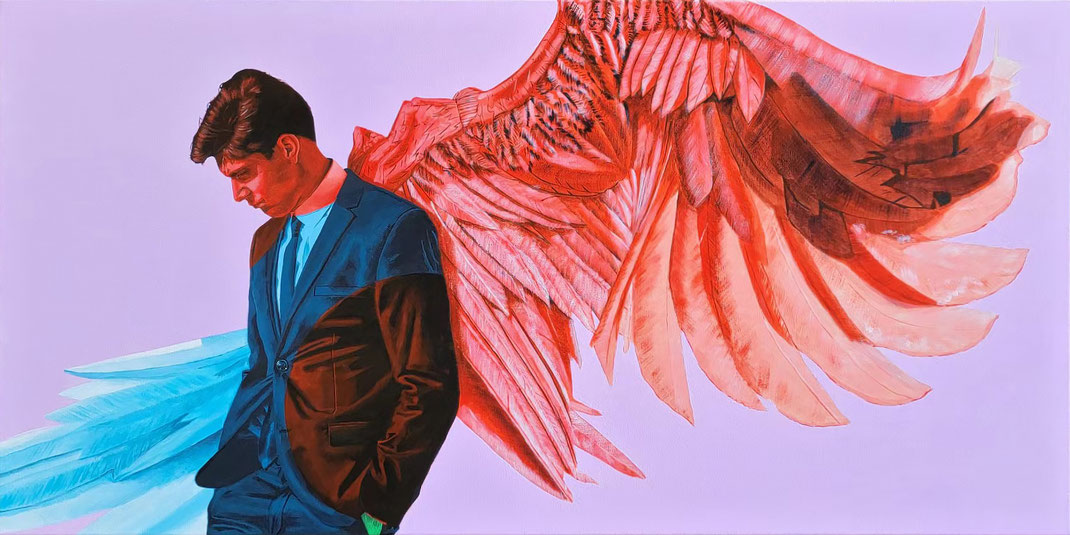


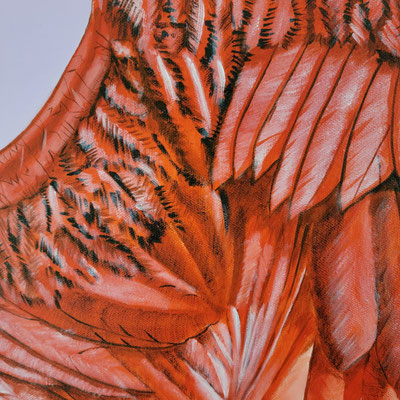


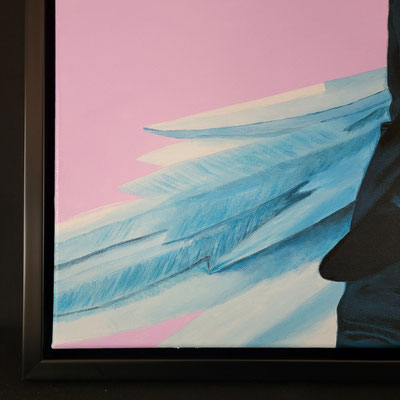

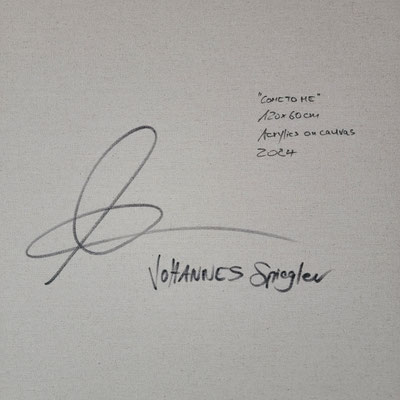


COME TO ME
ORIGINAL PAINTING
ACRYLICS ON CANVAS
SIZE: 120 x 60cm / 48 x 24 inch
YEAR OF ORIGIN: 2024
//
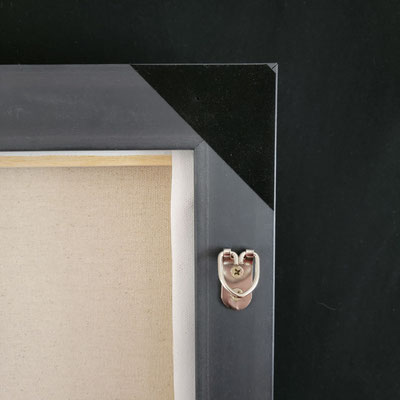
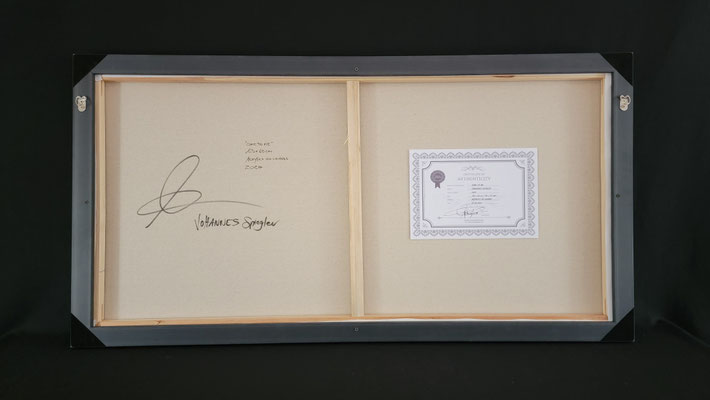
FRAMED
SIGNED
STAMPED
incl. CERTIFICATE OF AUTHENTICITY &
HANGING GEAR
850,00 €
incl. VAT, shipping costs apply
- 6 kg
- Available
- 1 - 2 weeks delivery time
DESCRIPTION
Angels are a common motif in art history, appearing in various forms and contexts from antiquity to the modern era. They are often depicted as winged beings and symbolize messengers of God, protection, confidence, and spiritual guidance. Various developments and interpretations of the angel motif can be observed in art history, ranging from religious symbolism to secular or pop-cultural representations.
Development of the Angel Motif in Art:
Antiquity: In early Christian art, particularly in the catacombs, angels were often depicted without wings, as seen in the Annunciation scene in the Catacomb of Priscilla.
Middle Ages: Angels were often depicted as celestial beings with magnificent robes and wings, playing an important role in religious scenes, such as depictions of worship or the Annunciation.
Renaissance: During the Renaissance, the depiction of angels became more human and naturalistic, with the divine aura often receding somewhat, but still remaining present.
Baroque: In the Baroque period, angels were often depicted lavishly and dynamically, with much movement and drama, often in conjunction with sumptuous decorations.
Modern: In modern art, angels appear in a wide variety of interpretations, from the spiritual works of Paul Klee to the cinematic depictions in Wim Wenders' "Wings of Desire."
There are different types of angel depictions:
Cherubim: Often depicted as small, boyish figures with wings, frequently as children or infant angels.
Seraphim: Angels of high rank, often depicted with six wings.
Guardian Angels: Angels who act as protectors of people or places.
Archangels: Angels with special tasks, such as Michael, Gabriel, or Raphael.
Meaning and Symbolism:
Messengers of God: Angels serve as mediators between God and the world.
Protection and Guidance: They protect and guide people on their life's journey.
Symbol of hope and faith: Angels represent hope for good and the overcoming of suffering.
Representation of spirituality and transcendence: Angels point to a higher, spiritual world.
Well-known examples:
Filippo Lippi: "Madonna and Child with Two Angels"
Paul Klee: His angels are often sketchy and appear as companions in life.
Marc Chagall: Depicted angels in many of his works.
Wim Wenders: His film "Wings of Desire" explores the theme of angels in the modern world.
My personal favorite works are "Angel at the End of the World" by Piotr Stachiewicz (1858-1938), "St. Sebastian Cared for by Two Angels" by Guercino (1591-1666), "Christ Adored by Angels, St. Sebastian and St. Bonaventure" by Carlo Bononi (1569-1632), "The Seven Works of Mercy," "St. Matthew and the Angel," "The Annunciation," and "St. Matthew the Evangelist with the Angel" by Caravaggio (1571-1610), "Sacred and Profane Love" by Giovanni Baglione (1566-1643), "Ecstasy of St. Francis" by Giambattista Piazzetta (1682-1754), "Sphinx" by Joseph Urban (1872-1933), and "Daedalus and Icarus" by Orazio Riminaldi. (1593–1630), "The Lament for Icarus" by Herbert Draper (1863–1920), and "Ahasuerus at the End of the World" by Adolf Hirémy-Hirschl (1860–1933).
The depiction of angels in art is multifaceted and reflects the respective cultural and artistic movements.
They are a fascinating motif that touches upon both religious and secular aspects of human existence.